
PokéPath TD Map Mastery: Terrain Strategy and the Essential Grinding Loop
In PokéPath TD, the strategic Tower Defense game, success is not just about having the strongest Pokémon; it is about mastering the map. The game's unique blend of Pokémon mechanics and TD strategy places critical importance on terrain-specific placement and a smart resource-gathering loop to overcome the toughest challenges. This guide delves into the geography of PokéPath TD, providing the essential knowledge to turn every map into a victory.
The Geography of Challenge: Understanding the 9 Routes
PokéPath TD is structured around 9 distinct routes, each serving as a unique map with its own path layout, enemy composition, and ultimate challenge. Every route presents a 100-wave gauntlet, culminating in a battle against a powerful Legendary Pokémon.
Route Maps Preview

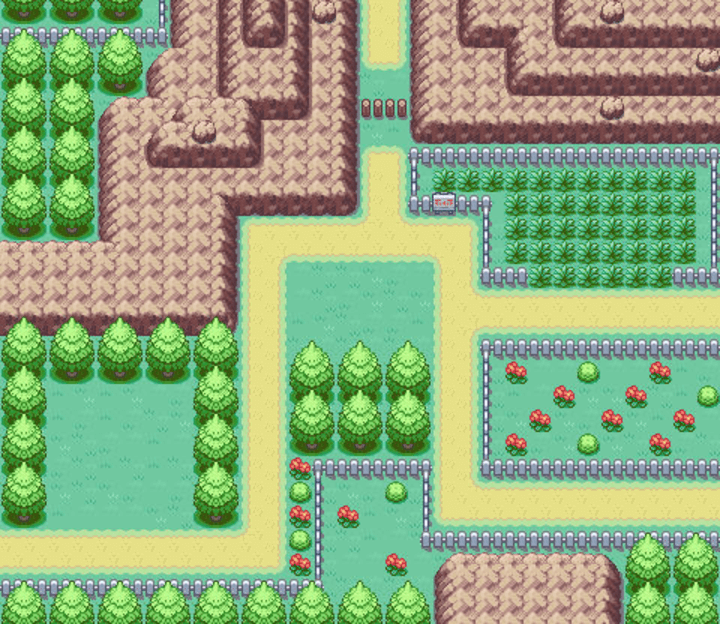
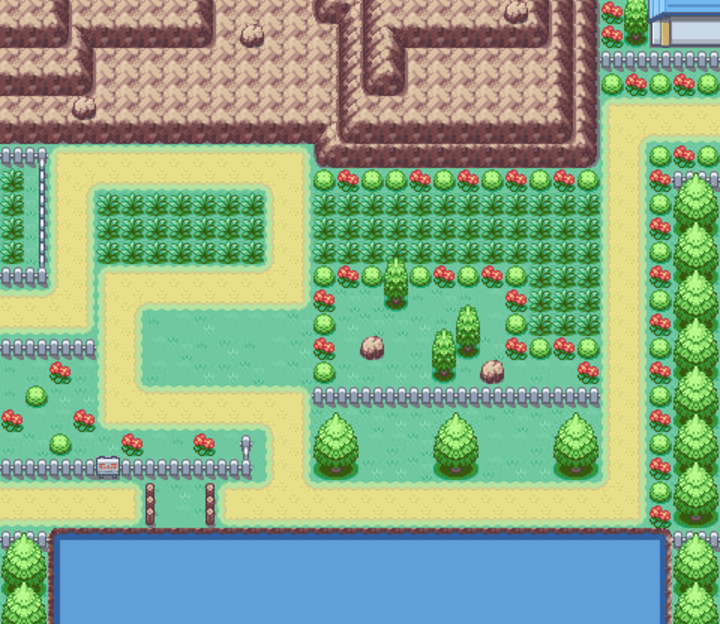


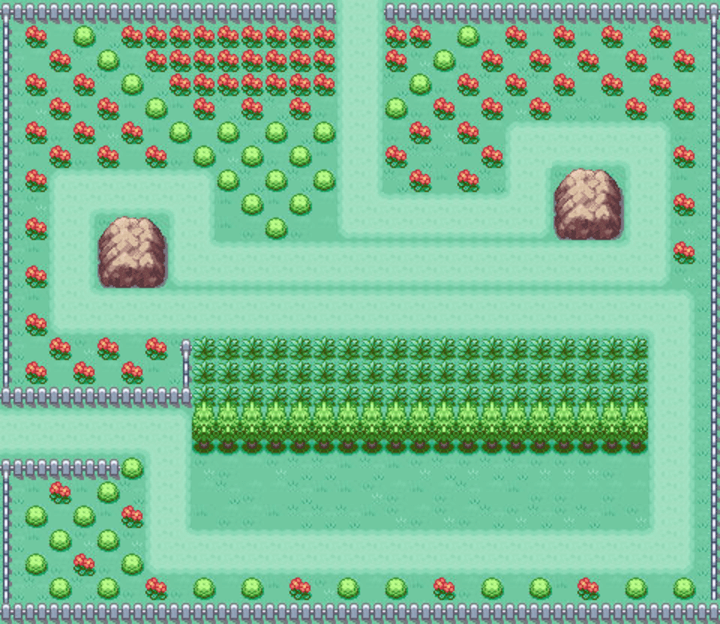
The ability to freely switch between routes is a cornerstone of the game's design. This feature is not merely for variety; it is a fundamental strategic tool that allows players to test new strategies without losing progress, target specific resources or experience points (XP) on optimized routes, and implement a farm‑and‑return loop by switching back to easier routes to overcome difficulty spikes.
Mastering the Terrain: The Core Placement Mechanic
The most critical element of map mastery in PokéPath TD is the terrain-based placement system. Unlike many TD games where towers can be placed anywhere along the path, your Pokémon are bound by the environment, reflecting their natural habitats in the Pokémon world.
Terrain-Specific Placement
Each Pokémon unit has a specific terrain requirement for placement. Ignoring this rule or failing to optimize placement based on terrain is a common reason for failure. The three primary terrain types and their associated placement rules are:
Grass/Ground — Most common tiles for standard land-based Pokémon (e.g., starters, common land-dwellers). Flexible placement but fewer specialized bonuses.
Water — Required for Water-type Pokémon or aquatic specialists (e.g., Gyarados, Tentacruel). Limited to water tiles; can unlock strong speed or damage bonuses.
Mountain/Rock — Favored by Rock, Ground, or Flying-types that prefer high ground or rocky areas. Often grants line-of-sight advantages or defensive benefits.
The Power of Terrain Bonuses
Beyond simple placement, certain Pokémon receive significant stat bonuses when placed on their preferred terrain, transforming them from standard units into map-defining powerhouses.
For example, the user-provided insight highlights that Castform (a Normal-type Pokémon known for changing form based on weather) gains a speed bonus when placed on a Water tile. This is a crucial piece of information, as it encourages players to look beyond a Pokémon's primary type and consider the strategic value of its terrain interaction.
To aid in this complex placement, the game includes a helpful feature: an option to show the available tiles per terrain. Players should always utilize this option to visualize the optimal placement zones for their current team composition.
The Essential Grinding Loop: Conquering the Impossible
A fundamental truth of PokéPath TD is that you will inevitably encounter a map—or a wave, particularly the Legendary boss wave—that seems impossible. This is where the game's intended grinding loop comes into play, a strategy that turns temporary defeat into long-term victory.
The "Farm and Return" Strategy
When a map proves too difficult, the solution is not to repeatedly bash your head against the wall, but to retreat and farm resources on an easier map. First, identify the wall—pinpoint the map or specific wave that causes failure. Next, switch routes and return to a previously completed or easier map (e.g., Route 1 or 2). Use Auto Mode (AFK farming) to efficiently gather Gold and Experience Points (XP); this is the most time‑efficient way to prepare for the next attempt. Upgrade and evolve your key Pokémon using the accumulated resources. Finally, return and conquer—the power spike from a few levels or a single evolution is often decisive.
This strategy is supported by the game's Persistent Progress feature: "Your Pokémon’s progress is saved even if you lose, every defeat brings you one step closer to victory." This ensures that every farming session and every failed attempt contributes meaningfully to your overall power level.
Key Takeaways for Map Mastery
To achieve true mastery in PokéPath TD, integrate map knowledge, terrain strategy, and the grinding loop into your gameplay. Prioritize placement: always check the available terrain tiles and place your Pokémon where they gain a bonus (such as Castform on Water) or where their range is maximized. Embrace the grind: treat failure as a signal to engage the Farm and Return loop—AFK farming on an easy route for a few hours can save days of frustration on harder maps. Utilize map switching: freely move between the 9 routes to find the best farming spot for your current needs or to test a new team build on a different layout.
By understanding that the map is a dynamic environment that dictates placement and that the game encourages strategic retreat for resource gathering, you will be well-equipped to conquer all 9 routes and defeat every Legendary Pokémon in PokéPath TD.